
By Raden Andika
My journey to Nias carried a different rhythm—raw, grounded, and shaped by the ancestral strength of the island. Traditions here don’t survive because they’re preserved; they survive because they’re lived.
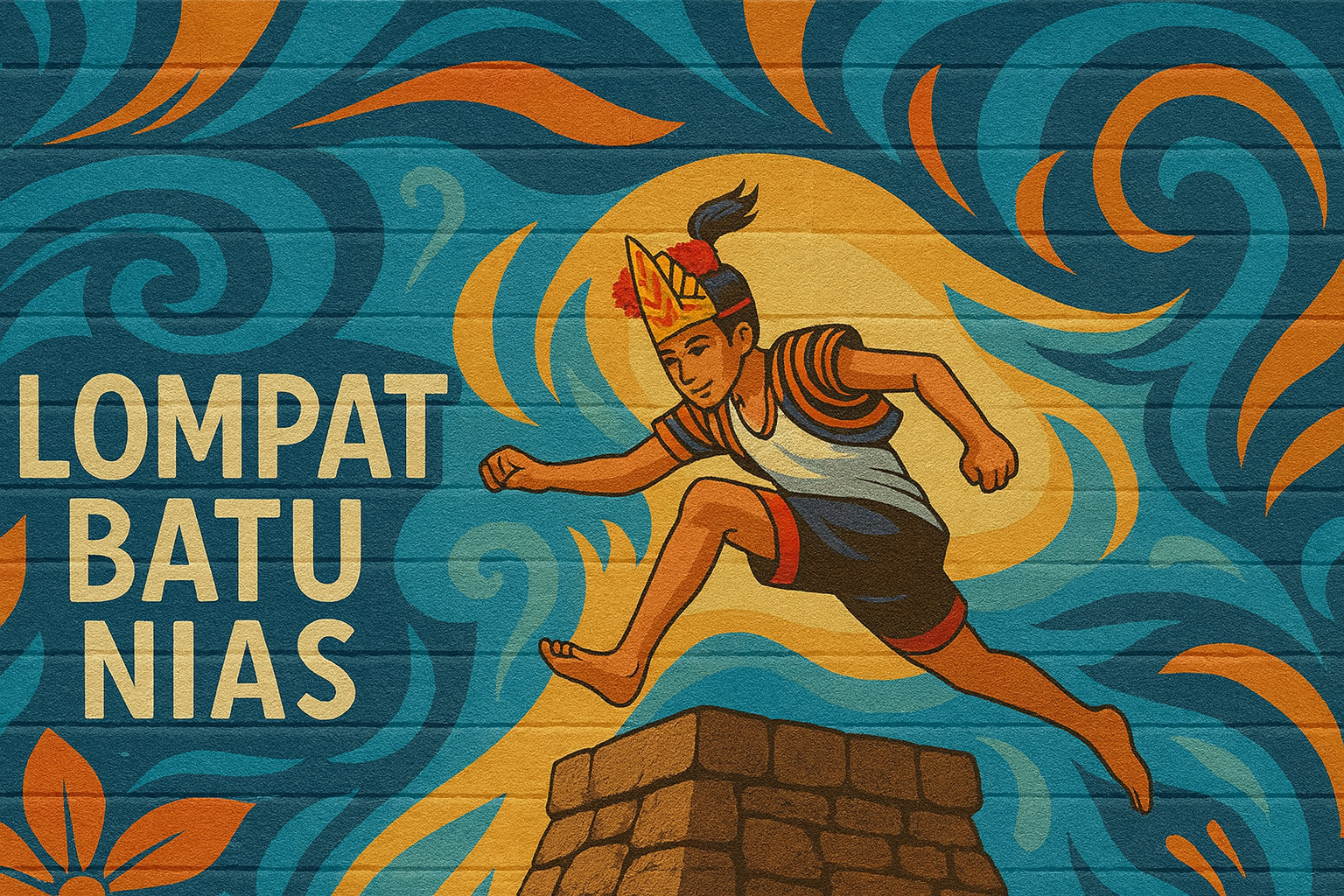
The famous Fahombo—the stone-jumping ritual—is more than a test of physical ability. It is a rite of passage, a declaration of courage shaped by generations before us. As the young jumper gathered his breath and leapt, I felt the collective energy of the crowd rise with him. Pride, tension, heritage—everything converged in that one suspended moment.
” The famous Fahombo—the stone-jumping ritual—is more than a test of physical ability “
The dances that followed carried another layer of storytelling. Their steps spoke of resilience, of community, of honoring those who shaped the island long before modern Indonesia existed. Even through the drums, laughter, and shouts of celebration, there is always a grounding sense of continuity. Nias doesn’t imitate tradition; Nias lives it.
For me, photographing this place is an act of gratitude. These aren’t just cultural displays—they are chapters of our national identity. Each frame reminds me that Indonesia’s diversity is not something to admire from a distance, but something to protect, nurture, and carry forward.